Our Growing Practices
-
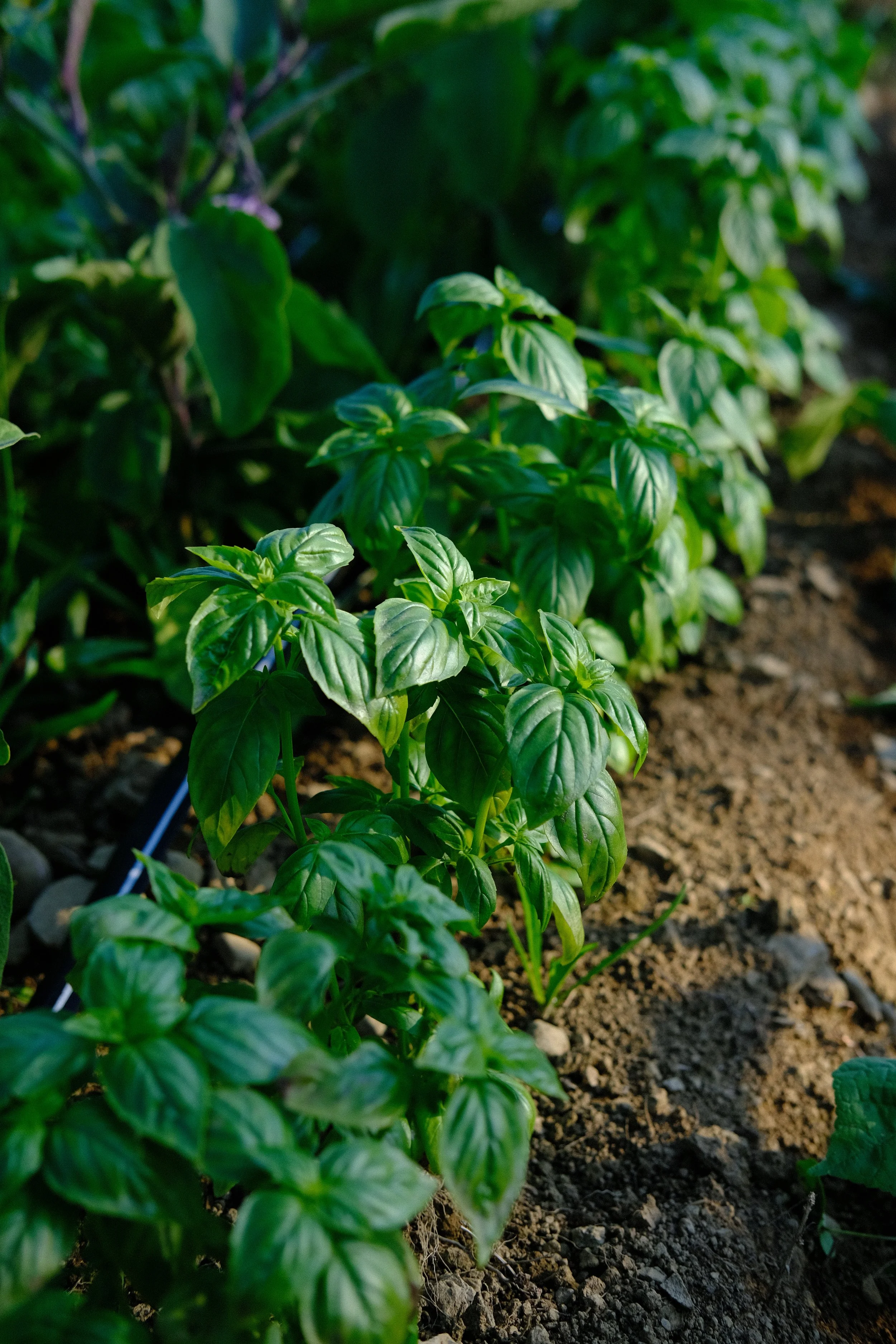
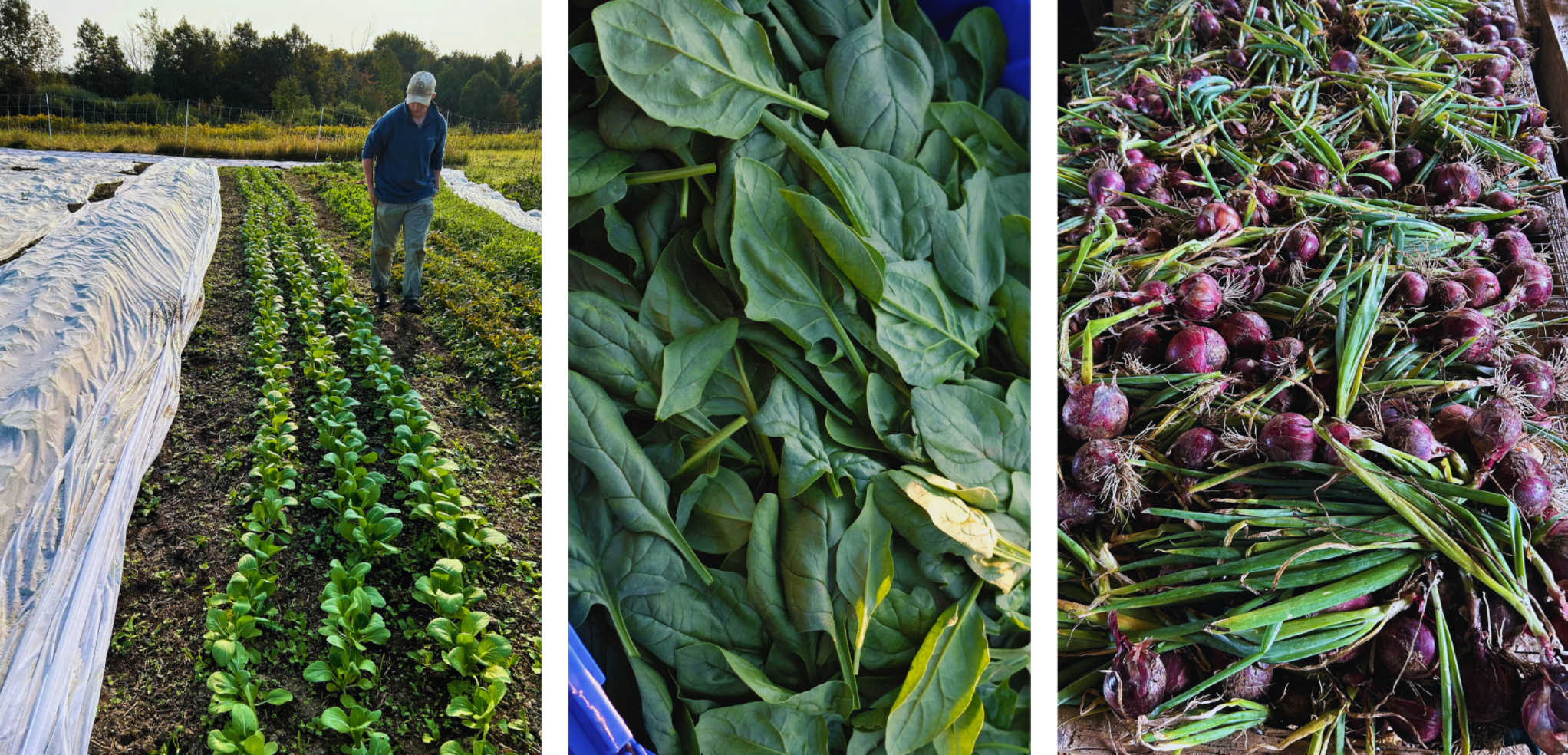
Our growing practices and standards are organic (no chemicals used) at our farm. We are not certified because the process takes at least 2-3 years of business to qualify for certification. And to be honest the certification process can be quite costly. When the time comes, we will see if it is worth the hefty fee.
We do not and will never use chemical pesticides, herbicides, synthetic fertilizers or non-food grade materials at the farm.
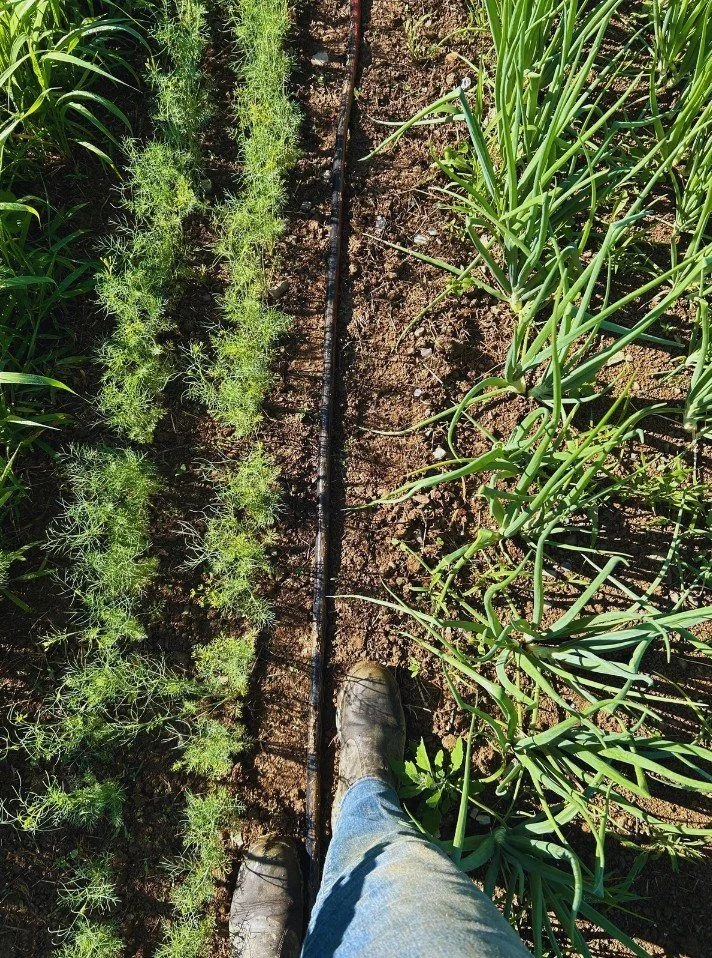
To be fully transparent, we believe we do even more than the standards of organic certification with crop rotations, cover crops, minimal tilling, hand-tended beds, sacrificial beds, intercropping, and more.
For us, we aren’t about just pretty looking and fast growing vegetables. It’s about the nutritional content, soil health, and the use of long-term practices to slowly improve the beautiful silty and sandy loams we are on now.
-
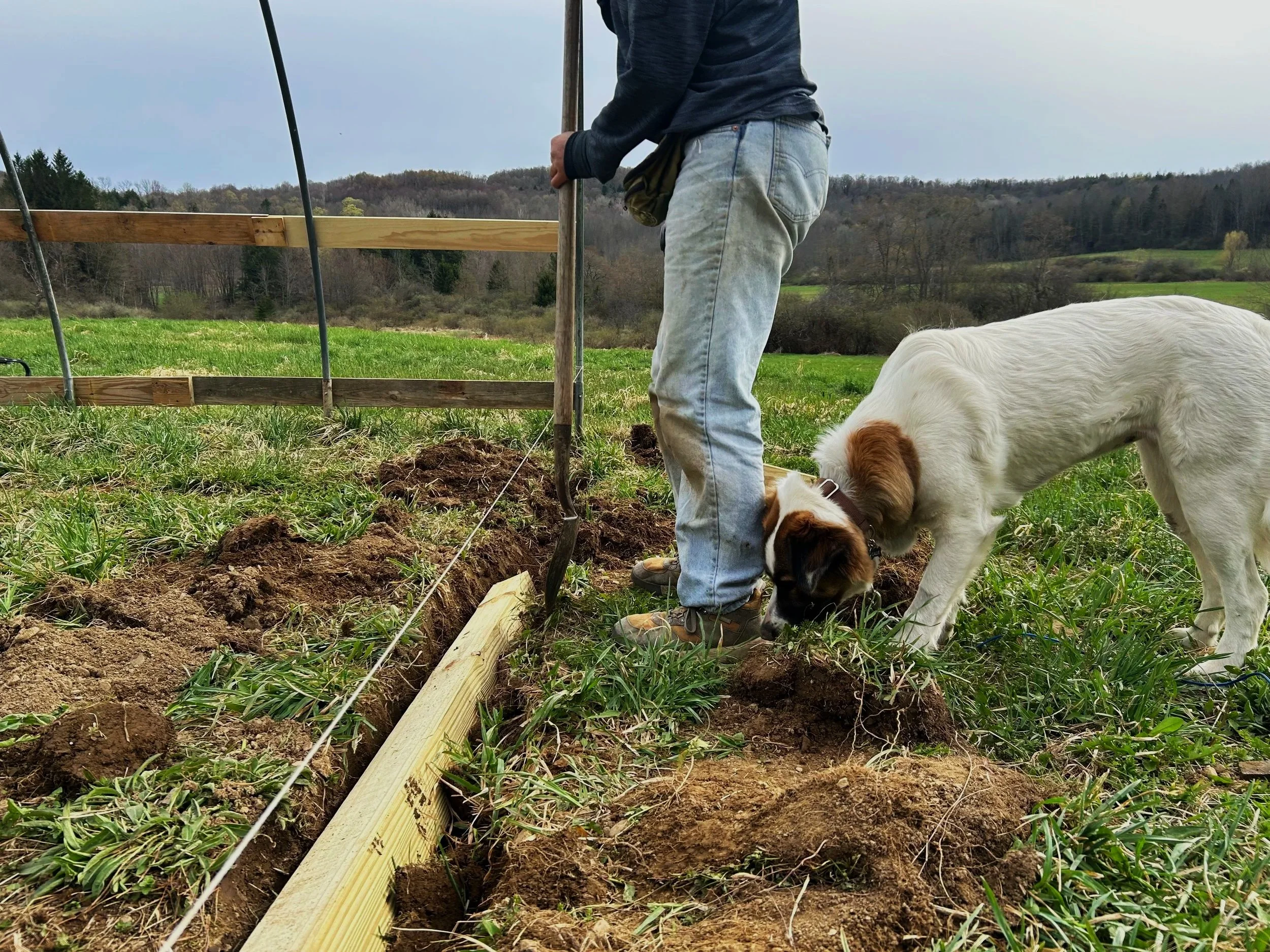
We are taking the long road to regeneratively build up our soil health! We’re lucky enough to have beautiful sandy and silty loams to start with, but we are having to re-work what were 50 year old hay fields. We are doing this without any chemicals added. This means it takes more time, more labor, and typically is more expensive too.
-
We aren’t a no-till farm, but we like to be minimal till. This means that we typically till once at the beginning of the season in the spring. As time goes on, we hope to include a good mixture of practices where we aren’t only topping off beds with layers of composted organic material but truly building out a beautiful soil structure to work with. This requires a combination of practices as listed below.
Some of our practices include:
Permanent raised beds! We began this work for our first season in 2025, but 2026 will be a heavy spring of creation.
Organic mulches - clover cover crop, organic straw, leaves, and when we can get our hands on it - good local wood chips. We are currently looking into salt marsh hay as an experiment for the upcoming season.
Cover cropping - A diverse cover crop rotation to break up soil compaction, build soil health, and to eventually add tons of biomass.
Solarization - using clear/opaque material (typically tarps) to kill off weeds and terminate crops to prep the bed for new plantings.
Diversity of plantings, transplanting, and crop plans - We plan months ahead to decide which beds will be planted into, swapping out what is planted where, what is cover cropped, and to constantly change up the different plants entering the soil in every location. We also hope to add more perennial plants and habitats to diversify the non-veggie spaces of the farm.
-
Yep, that is correct. We don’t use any sprays or chemical additions of any kind. That means no chemical pesticides, herbicides, fungicides, synthetic fertilizers or non-food grade materials (for harvesting, wash and packing, etc).
The compost we use at Odd Crop Farm is down the road in Lebanon from a certified organic dairy farm.
-
We believe in good food for everyone. As people who are on a fixed income, we understand that budgeting for food has been and is now even more hard to do.
We offer a sliding scale model for our CSA shares, Community Funded Shares, multiple payment plan options, and donate regularly to mutual aid sites, pantries and locals who reach out.
-
To be fully transparent, we work other jobs in the off season and occasionally during the season to offset any additional financials that come up.
For many years before starting Odd Crop, we worked as farm crew members for other farms making at times $14/hr. So we both come from minimal incomes, and did not set out with endless pockets to make this come to fruition. We have instead leaned into what we can scrounge up for equipment for free or cheap, sweat equity, and good relationships.
Without the land stewardship relationship we have built with our friends Susan & Dan in Lebanon. Their support and the long term leasing agreement we share for the current acreage, we would still be looking for another stewardship opportunity that could meet our budget. We are not small scale veggie farmers to get rich!
Plus, we both lived in campers without access to running water for the last three years to save on funds that could go back into the infrastructure needed for the farm. We don’t share this as a “cool fact”, but as a reality to what many young farmers are doing to get their footing.
Relationships with others is always key. And we are lucky to have many that are rooting for Odd Crop.
Our Main Principles
-

No Chemicals. Ever.
We will never use chemical pesticides, herbicides, fungicides, or synthetic fertilizers at Odd Crop. Everything we do is for the long-term health and care of the land, the soil, and the ecosystem we are growing in. We believe in other methods like cover cropping, crop rotation, drip-irrigation, limited-till, row covers, bug netting, hand-dug raised beds, composting, mulching, and much more. We are not organic certified, because that takes several years of production and requires a hefty certification fee. When the time comes for certification we will decide if it’s worth it for our production!
-

Everyone Deserves Slow Grown Food
We are growing in our hometown region and want to feed anyone who is local and would like our slow grown food. It takes a lot of labor hours and upfront costs to produce slow-scale organic food, but we don’t want to feed only those who have the economic ability to order from us. So we are working on putting together a long term Community Food Program, but for now are calling on the larger community to support with our Donate Community Share or you can donate directly via our Donate page.
-

People Over Profits
We never want to take advantage of other workers via Odd Crop. The reality is we chose to grow at a smaller scale (4.5 acres) because it doesn’t require us to get more help via employees. As former farm crew members we know how tight it is for farm owners, but it’s also that much more impossible to make a living wage as a crew member too. We do not wish to continue that struggle